
When someone dies and their soul departs
We are here to help you to understand what you need to do when someone has passed away.
We have created a guide to help you with every step of the way.
01.
02.
03.
Verify the death
Contact Wadi Funeralcare
Register the death
Before you call a funeral director, you must have the death verified by a medical professional. How to do this will depend on where they died. Whether at home, a hopsital, or hospice/carehome. Then whether the death was expected or not.
Once the death has been verified, you can contact a funeral director. They will ask you for some information about the person who has died.
The medical certificate of cause of death will be sent to the registrars by the medical examiner. They will let you know when they have done this. You can register the death at the Registrar’s Office local to the person who has died. Take the medical certificate of cause of death with you. You should make an appointment before you go. You can start making funeral arrangements before you’ve registered the death.
04.
Check Funeral Plan or Insurance Policy
Before you pay for the funeral, it's important to check if they had a funeral plan or a life insurance policy in place.
05.
Check if you need probate
1 in 2 people will need probate. This is the legal process of dealing with someone's home, money and possessions after they have died. You will only need probate if the person who died: owned a house in their sole name and/or had more than £30,000 in the bank.
06.
Arrange the funeral
We will contact you to make an appointment to start the funeral arrangements. This can be on the telephone, in person at our funeral home or from a home address, whichever is easiest for you. Before the arrangement meeting, you might want to think about: where you want the burial to take place, whether in the UK, or abroad, and how and where, you might want to carry out the Janazah prayer.
Frequently asked questions
What is the case if the death happens at home?
Specific procedures need to be followed if the death occurs at home. The local General Practitioner needs to be contacted. In addition to the GP, the police need to be contacted if the death was violent or unexpected and unknown, in this case, you must not touch anything in the home. You may then contact a mosque to guide you to the right person or a funeral director who will assist you with the further steps to be taken. The death can then be registered at a local Registrar and any will or wishes of the deceased can be followed.
What about if the death occurs in a hospital/hospice?
Normally a relative is close to the deceased, however, if this was not the case at the time of death, the nurse in charge or doctor will contact the next of kin. If the deceased was not a patient, the next of kin will be asked to identify the patient and will be informed if a post mortem examination is going to take place as per legal requirements, dependent on the nature of the death. Specific documents will be asked for, to allow you to take any personal possessions. Thereafter, you can contact a funeral director and they will guide you with the following steps.
What if we wanted the burial in the UK?
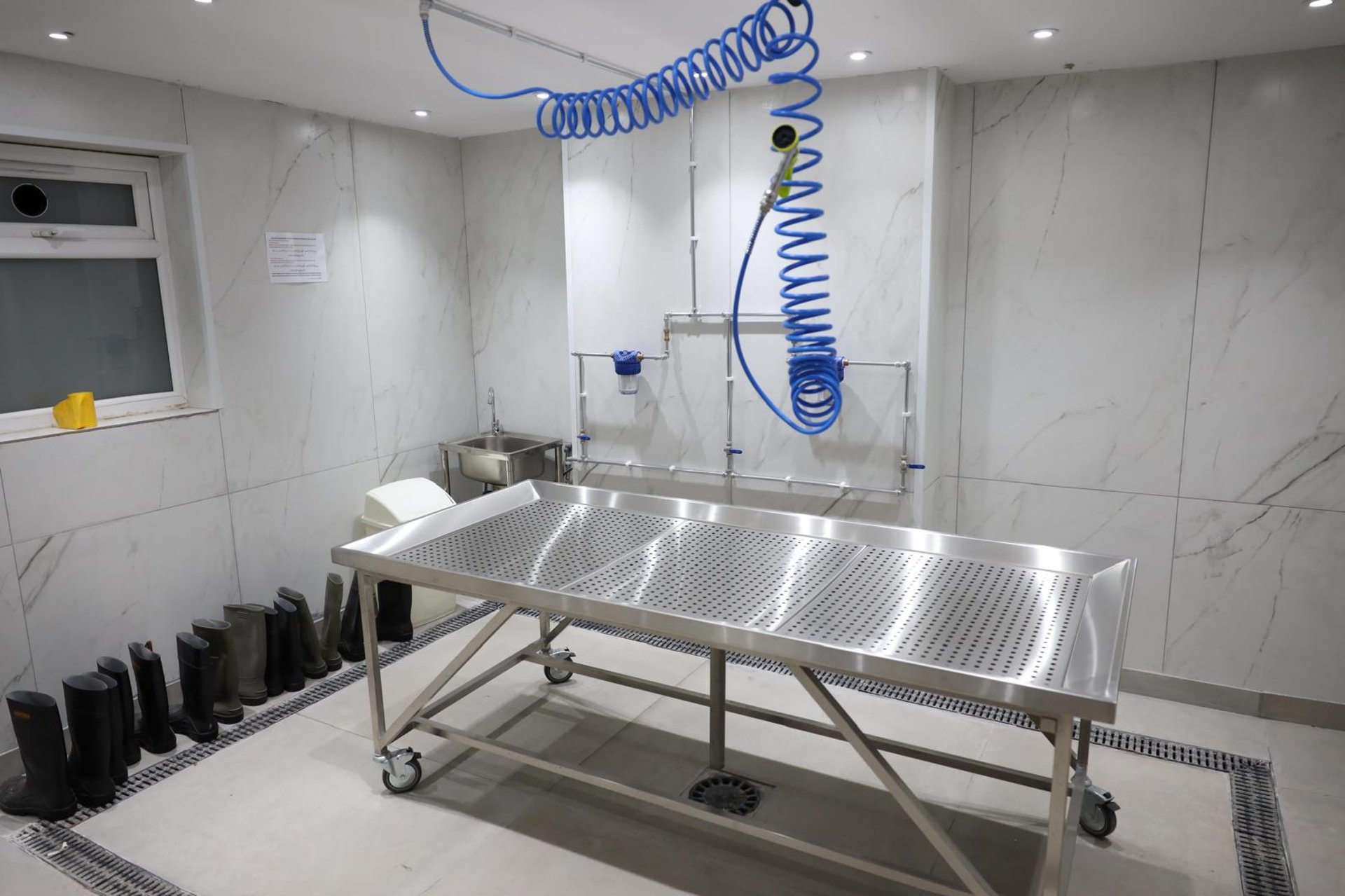
If you are burying in the UK, you will be given a death certificate and a green burial certificate. You will need to fax or send the green certificate to the funeral director, until then they cannot collect the deceased and organise everything. Any family members that wish to attend the washing will be informed when this will take place. The janazah prayer can be held at any mosque and the funeral director can book the cemetery that you prefer, at a date and time suitable to you. Transportation on the day of the funeral for the family can be arranged if required.
What if we wanted the burial abroad?
If the family wishes to repatriate the deceased relative to their country, we can assist with organising this, all necessary documentation and regulations for the coffin with the airlines will be met.